Mattress toppers provide an additional layer of comfort and support that can tailor a sleeping surface to individual needs. For those seeking enhanced cushioning, toppers made from natural materials can help distribute body weight more evenly and reduce pressure points. In the realm of organic bedding, a mattress topper often emphasizes breathability, durability, and compatibility with sensitive skin.
Organic mattress toppers frequently utilize certified materials to minimize exposure to synthetic additives. Fiber loft, natural latex, or cotton blends can contribute to a cooler, more stable sleeping surface while maintaining safety standards. Understanding fabric certifications, such as GOTS or GOLS, helps identify products that align with organic and eco-conscious preferences.
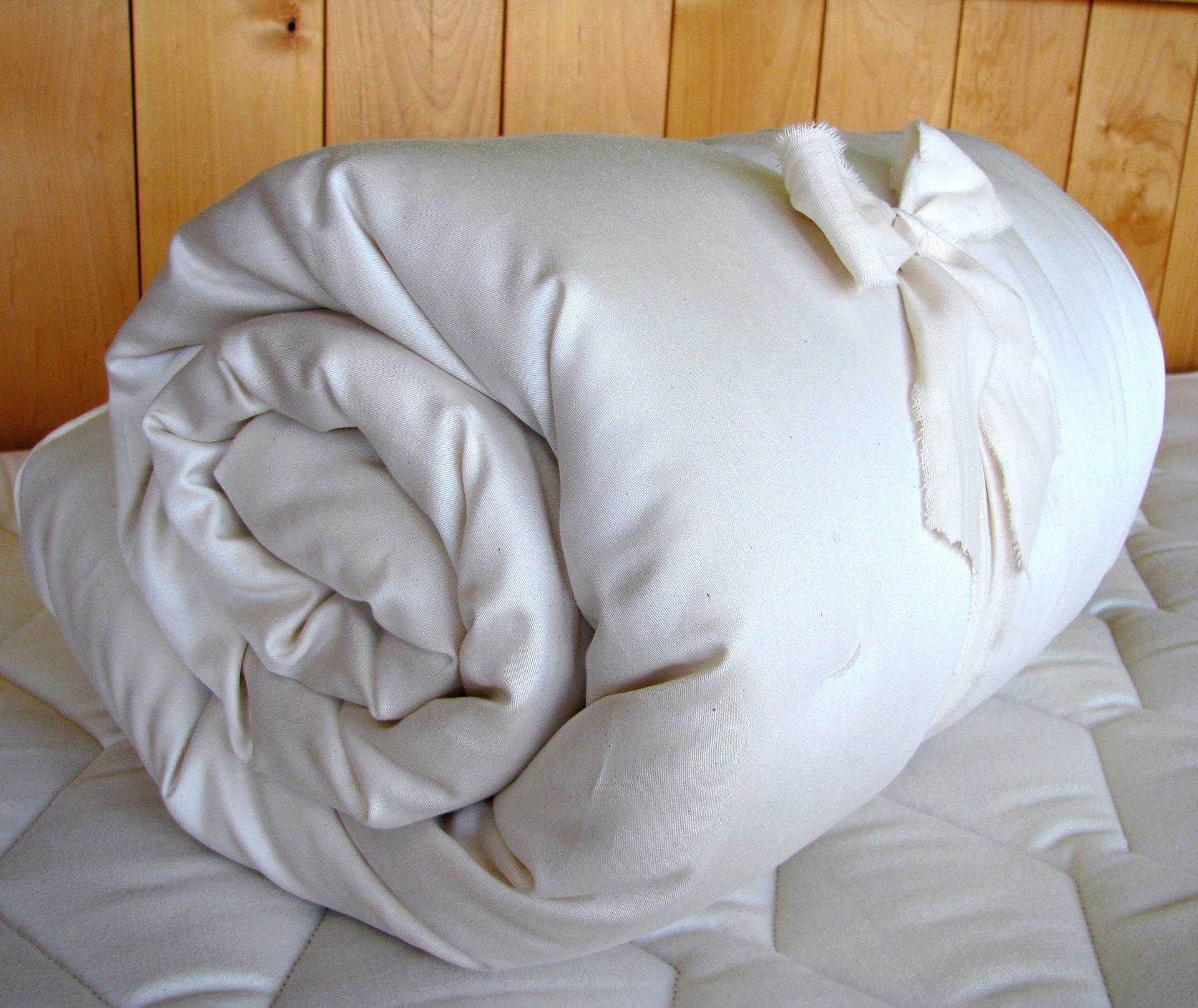
The category includes products like the Certified Organic Crib Mattress Topper, which is designed for infants and toddlers who require a gentle, supportive layer atop a crib mattress. Key features typically include hypoallergenic fabrics, breathable fills, and compact thicknesses that preserve surface integrity while shaping a comfortable firm base for restful sleep.
Functional benefits of these toppers often include improved contouring for spinal alignment, reduced motion transfer, and enhanced durability over time. They are commonly used to extend the life of existing mattresses, regulate moisture, and adapt a sleeping surface to different seasons or room environments, all while maintaining a focus on organic materials and safe construction.
When evaluating mattress toppers, consider factors such as material composition, fill weight, cover texture, and care requirements. The emphasis in this category centers on education around material choices, safety standards, and practical uses for improving sleep quality, including how toppers interact with other bedding components like sheets and pillows within an organic bedding ecosystem.
 Bedding