Bedding • Nursery guide
A Thoughtful Nursery Bedding Checklist: From Crib Layers to Care
Preparing a nursery can make even the smallest details feel significant. Bedding is one of them: the right choices should be easy to care for, comfortable to handle and, above all, appropriate for a safe sleep space. Start with a firm, flat mattress that fits the crib, keep the sleep surface clear, and read labels before bringing any textile into the room.
Published November 7, 2026
There is a particular kind of excitement in folding a first set of tiny sheets or arranging a nursery drawer. But bedding decisions deserve more than a color palette and a soft-to-the-touch test. Parents and caregivers also need to consider fit, fabric, laundering, product claims and current safe-sleep advice. A beautiful item is not automatically suitable for a baby’s crib, and a natural fiber does not replace careful attention to how and when a product should be used.
This checklist takes a practical approach. It begins with the mattress and the sleep surface, then moves through fabric labels, organic claims, washing routines and the items that should stay out of the crib. The central idea is simple: create a calm, manageable nursery without adding unnecessary layers to a baby’s sleep space.
1. Begin with the crib and mattress fit
Before shopping for nursery bedding, check the crib itself and identify the exact mattress size it requires. A mattress should fit snugly within the crib according to the crib and mattress manufacturers’ instructions. Gaps around the edges, an unstable mattress or a surface that does not match the crib’s specifications can create hazards. If a crib is older, has been assembled from stored parts or has an unknown history, check that it meets current safety requirements and has all of its original, properly fitting components.
Use the mattress in the configuration recommended by its maker and the crib manual. Do not try to improve the fit with extra padding, folded fabric or a second layer beneath the mattress. A crib mattress topper, cushion, pad or improvised insert can change the sleep surface and should not be added for an infant unless the crib and mattress manufacturers and relevant safety guidance specifically allow that exact product and use. A product described as breathable, natural or organic is not automatically appropriate for infant sleep.
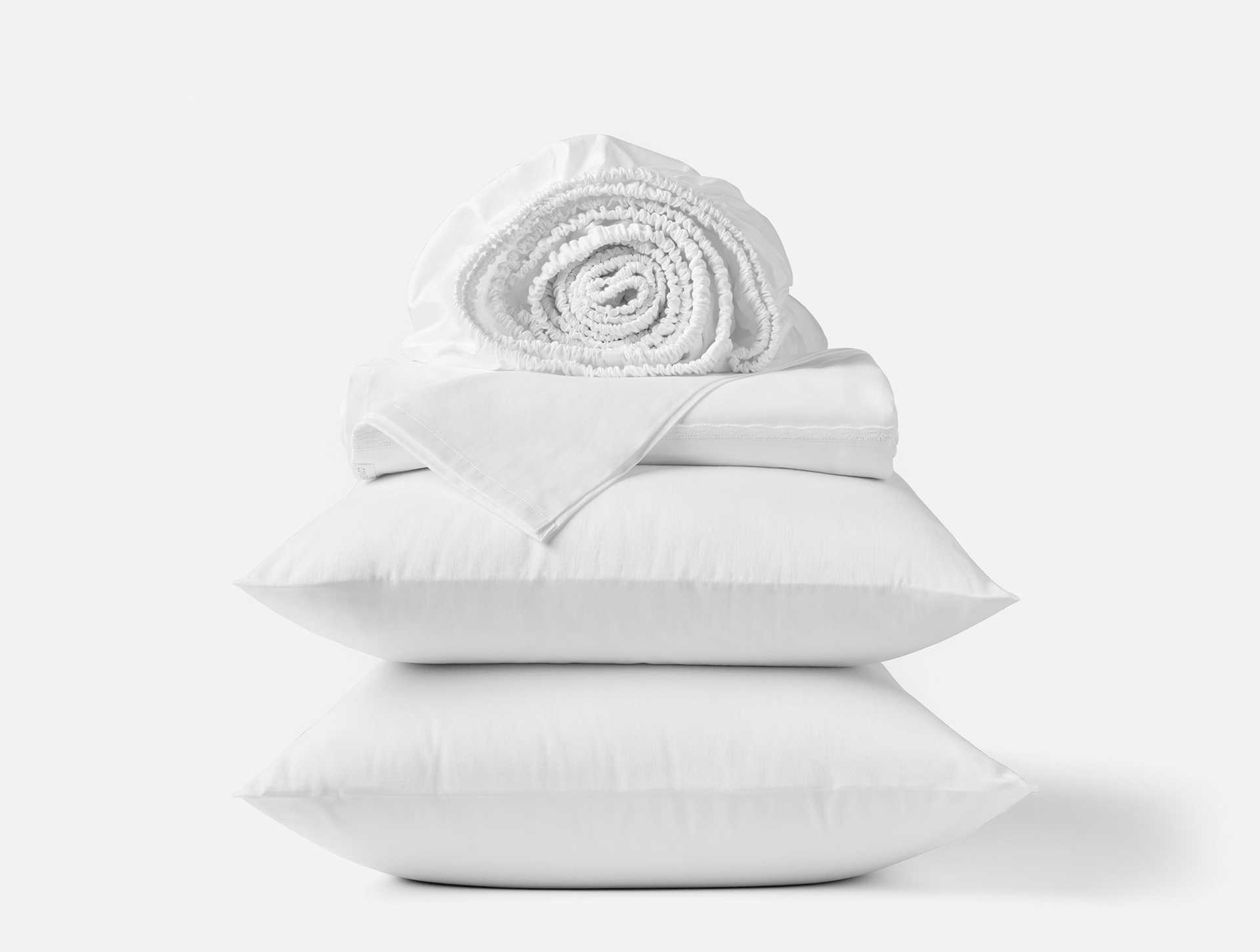
When checking a fitted sheet, confirm that it is designed for the mattress dimensions and thickness. Stretch the corners over the mattress and make sure the sheet stays in place without bunching or pulling free. A sheet that is too large can loosen; one that is too small may not secure properly. Recheck the fit after laundering, since some fabrics may shrink or change shape depending on washing and drying conditions.
- Confirm the crib and mattress are compatible and assembled according to their instructions.
- Use a firm, flat, level mattress intended for that crib.
- Choose a fitted sheet that matches the mattress dimensions and remains securely in place.
- Do not use rolled towels, folded blankets, extra pads or other improvised layers to alter the fit.
- Inspect the mattress and sheet regularly for damage, loose seams, stretched elastic or other changes.
2. Keep the sleep surface simple
A nursery can contain plenty of softness without putting it in the crib. For infant sleep, the safest approach is a clear sleep space: the baby is placed on their back on a firm, flat surface, with only a properly fitted sheet over the mattress. Keep pillows, quilts, comforters, loose blankets, stuffed toys, bumpers, positioners and other soft objects out of the crib. These items may look inviting in a styled room, but they should not be treated as bedding for an infant’s sleep surface.
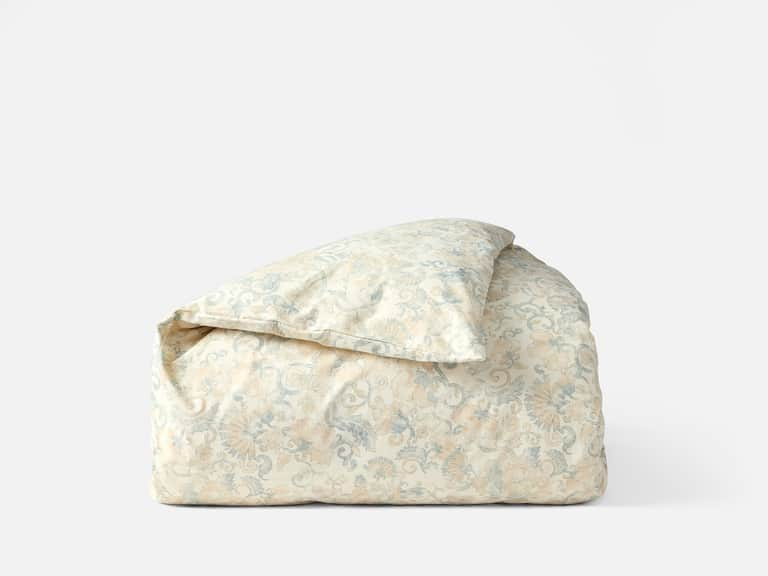
That distinction matters when planning a shopping list. A duvet cover, decorative sham, throw or adult pillow may be a useful textile elsewhere in the home, but it does not belong in an infant’s crib. Store nursery accents on a chair or shelf while the baby is awake and supervised, and remove them before sleep. For warmth, use sleep clothing or a wearable blanket that is designed for the baby and used according to its instructions, rather than adding loose coverings. Avoid overheating and follow advice from your child’s health professional if you have questions about temperature or clothing.
Safe-sleep recommendations can be updated, and details may vary by country or region. Check a trusted public-health source and ask your pediatric care team about questions specific to your baby, including prematurity, medical conditions or special equipment. The aim is not to create worry around every nursery decision; it is to make the most important choice—the sleep surface—clear and consistent.
3. Read the fiber and construction details
Once the safe setup is settled, material selection can focus on comfort, durability and care. Organic cotton is often chosen for its familiar feel and straightforward everyday use. A cotton sheet’s hand and performance also depend on its yarn, weave, finishing and construction, so a fiber name alone cannot tell you exactly how it will feel or wear. A tightly woven sateen, for example, may feel smoother and have more drape than a crisp percale, while both can be made from cotton.
Wool appears in some bedding and nursery products because it can help manage moisture and temperature in certain constructions. That does not mean wool fill, a quilted layer or a wool-containing topper should be placed in a crib. Consider any such item only for a use clearly allowed by its instructions and current infant-sleep guidance. A product’s material story is separate from whether its shape and intended use are suitable for a baby’s sleep space.
Look for specifics rather than broad promises. Useful product information may identify the fiber content, the part of the item made from each fiber, the weave or construction, the country of origin, the care method and the scope of any certification. Terms such as “natural,” “clean,” “eco-friendly” or “chemical-free” can be vague without supporting details. “Organic” generally refers to particular production and processing standards; it does not, by itself, establish that an item is hypoallergenic, safer for every child or suitable for crib use.
4. Understand organic crib bedding claims
For families researching organic crib bedding, certification can help clarify what a label means. The Global Organic Textile Standard (GOTS), for example, is a textile-processing standard with requirements covering certified organic fibers and aspects of processing. Certification scope matters: check whether a claim applies to the finished product, a particular component or only one stage of its supply chain. If the product listing names a certifier or standard, look for a certificate or other verifiable information where available.
OEKO-TEX Standard 100 is a different kind of textile certification: it tests covered textile products for specified harmful substances. It does not mean that the textile is organic. Likewise, a fabric’s organic-fiber claim and its safety testing are not interchangeable. Certifications can be useful evidence, but they should be read in context rather than treated as a substitute for checking construction, instructions and intended use.
Ask practical questions before buying: Is the whole item certified, or only its cotton shell? Is the fill included in the certification? Does the maker identify the fabric content clearly? Are there washing instructions and warnings? Can the certification be checked? If the answers are unclear, contact the manufacturer or choose a product with more transparent documentation. A careful label check is more informative than a collection of reassuring adjectives.
5. Make care instructions part of the decision
Nursery bedding needs a realistic cleaning plan. Spit-up, milk, leaks and ordinary household dust can mean frequent laundry, so a sheet that is simple to wash may be more useful than one that requires elaborate care. Before purchase, check the care label for water temperature, wash cycle, recommended detergent, drying method and any warnings about bleach or fabric softeners. If the item is meant to be spot-cleaned only, consider whether that fits your household’s routine.
Keep a few correctly sized fitted sheets available for changes, but avoid buying more layers than you can store and care for. Wash new textiles before first use if the maker recommends or permits it, and follow the label rather than assuming all organic cotton can be treated the same way. Gentle washing, prompt removal from the dryer and avoiding excessive heat may help some fabrics retain their shape, but the product’s instructions take precedence.
Care guidance for pillows, wool inserts, comforters and toppers may be very different from guidance for a washable sheet. Some wool-filled products are spot-clean only; others have a removable, washable cover. Do not machine-wash an insert simply because its cover is washable. Keep removable parts together, note which components can be cleaned, and ensure anything that has been washed or spot-cleaned is fully dry before it is stored or used as permitted.
- Read the complete care label before purchasing, not only after a stain appears.
- Separate washable covers from inserts and follow instructions for each component.
- Use the recommended cycle and drying method; avoid assuming high heat is suitable.
- Check seams, elastic and fabric condition after laundering.
- Store clean bedding in a dry place and keep it away from moisture and household chemicals.
6. Build a useful, safety-minded nursery checklist
A checklist can make shopping less overwhelming and help caregivers stay consistent. It should distinguish between items for the room and items allowed in the crib. The former can include decorative textiles used outside sleep; the latter should remain limited to what current safe-sleep guidance permits.
Nursery bedding checklist
- Crib and mattress that are compatible, intact and set up according to their instructions.
- Firm, flat, level mattress with no extra padding or unapproved topper.
- Fitted sheet made for the mattress size and depth, checked for a secure fit.
- Clear sleep surface, with loose bedding and soft objects kept out of the crib.
- Textile labels that state fiber content, care directions and intended use.
- Organic or safety claims that identify the relevant standard and certification scope.
- A laundry routine that matches the care instructions and your household’s needs.
- Regular checks for wear, loose threads, stretched elastic or damage.
- Current safe-sleep advice from a trusted health authority and your child’s care team.
7. Separate nursery style from sleep needs
Natural colors, botanical prints and soft textures can make a nursery feel personal without turning the crib into a display. Keep decorative pillows and throws outside the sleep space, and remember that items shown in a styled product photograph may not represent an appropriate infant-sleep setup. When evaluating a bedding image or product description, focus on the actual item, its stated use and its instructions—not on the way it has been arranged for a room scene.
For example, organic cotton sheets may be appealing because they are breathable, familiar and available in a range of finishes. A printed duvet cover may suit a parent’s bed, while a cotton throw might be useful for a chair. Those products do not become crib bedding simply because their fabric is organic. Keep the shopping question precise: Is this item intended for the baby’s sleep surface, and is that exact use consistent with current guidance?
When considering a new product, take a moment to review its measurements, materials, construction, certifications, care requirements and warnings together. A well-described sheet with a reliable fit and manageable cleaning routine can be a more useful nursery choice than a complicated product with broad claims but little practical information.
Frequently asked questions
Do babies need a crib mattress topper?
Do not add a topper, pad or extra layer to an infant’s crib mattress unless the exact item and use are permitted by the crib and mattress manufacturers and consistent with current safe-sleep advice. A topper can change the sleep surface. If a mattress needs replacing, use one specified for the crib rather than trying to adjust an unsuitable mattress with an accessory.
Is organic cotton always the best choice for nursery bedding?
Organic cotton may be a preference for fiber sourcing, but “organic” alone does not establish fit, durability, washability or suitability for infant sleep. Compare the product’s complete fiber details, construction, certification scope and care instructions. Most importantly, use only bedding that is appropriate for the baby’s sleep surface under current guidance.
Can a wool blanket or pillow be used in a crib?
Loose blankets and pillows should be kept out of an infant’s sleep space, regardless of fiber. Wool may be used in different kinds of household products, but the material does not make a pillow or loose covering appropriate for crib sleep. Follow current local guidance and the product’s instructions.
How many crib sheets should a family have?
There is no single number that works for every household. Consider how often you can do laundry and how quickly you can wash and dry a sheet. A small rotation of correctly fitted sheets can make changes easier, provided every sheet remains in good condition and fits the mattress securely.
What should I do if a product label is unclear?
Check the manufacturer’s instructions and ask for clarification about fiber content, certification, dimensions, care or intended use. If important information remains uncertain—especially whether an item belongs on an infant sleep surface—do not rely on marketing language to fill in the gaps. Consult a trusted health authority or your child’s care professional.
A calmer approach to nursery bedding
The most thoughtful nursery bedding plan is often the simplest. Start with a compatible crib and firm, flat mattress. Secure a fitted sheet that fits correctly. Keep the sleep space clear of pillows, loose blankets, comforters, toys and unapproved accessories. Then choose fabrics with transparent material and care information, verify organic claims on their own terms, and create a laundry routine that feels manageable.
Comfort and sustainability can be part of the conversation, but they work best alongside clear safety decisions. A careful label check, a dependable fit and a simple sleep surface do more for a practical nursery than extra layers ever could. When in doubt, follow current safe-sleep guidance and ask a qualified health professional for advice tailored to your child.