Crib mattresses are designed to support delicate infant bodies while meeting safety and longevity standards. This category emphasizes core features such as firmness, edge support, and breathable construction to reduce heat buildup. Understanding materials, certifications, and maintenance requirements helps caregivers choose a mattress that aligns with nursery safety goals and long-term usability.
Key considerations for crib mattresses include proper fit within standard cribs, hypoallergenic surfaces, and moisture management. Look for specific benefits like waterproof or wipe-clean covers, as well as removable covers for thorough sanitation. A well-chosen mattress also integrates with nursery textiles such as bedding, sheets, and pillows to maintain a healthy sleeping environment.
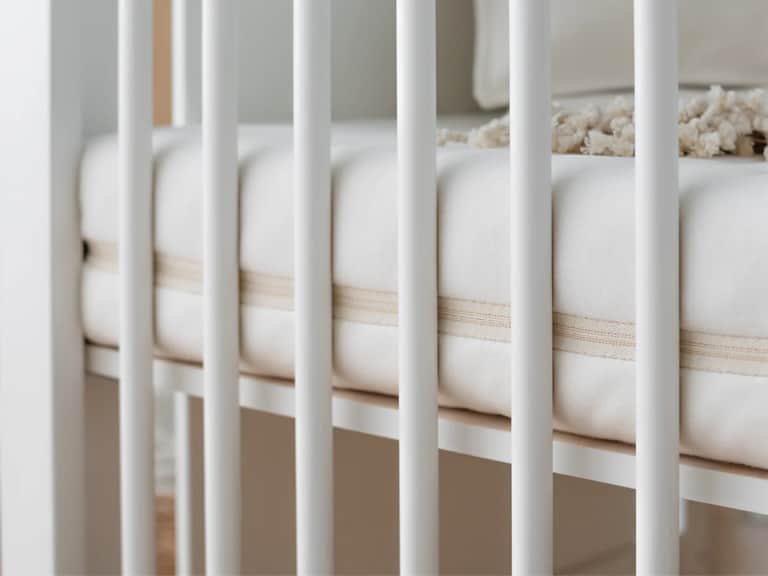
Among notable options, the Obasan Organic Crib Mattress exemplifies safety-forward design with organic materials and supportive layers crafted for infant comfort. It combines robust edge stability with a non-toxic construction, reducing exposure to harmful chemicals. Functional benefits include easy cleaning routines and durable performance over years of use.
When evaluating bedding compatibility, consider how latex-reinforced or responsive core systems affect infant comfort and movement. The emphasis on breathable fabrics and moisture-wicking surfaces helps regulate temperature and reduces the risk of overheating. Understanding these features supports informed decisions about nursery setup and caregiving routines.
Overall, this category highlights the intersection of safety standards, material quality, and practical maintenance. By focusing on core metrics such as firmness, fit, and hygiene compatibility, caregivers can assess crib mattresses in relation to nursery ecology—where fabrics, latex considerations, and organic options contribute to a healthier sleep environment for babies.
 Nursery