Comforters are essential bedding components designed to provide warmth, softness, and a cohesive bedding aesthetic. They typically feature a quilted or filled outer fabric that encases insulating fibers, offering consistent temperature regulation across seasons. Understanding material types—cotton, wool, down, and synthetic blends—helps in selecting a comfortable option aligned with personal preferences and care requirements.
Organic comforters prioritize natural fibers and low-chemical processing, contributing to a healthier sleep environment. Cotton-based constructs, often with organic certification, deliver breathability and durability while reducing exposure to potential irritants. These attributes support allergen-conscious households and promote long-term fabric performance with proper care.
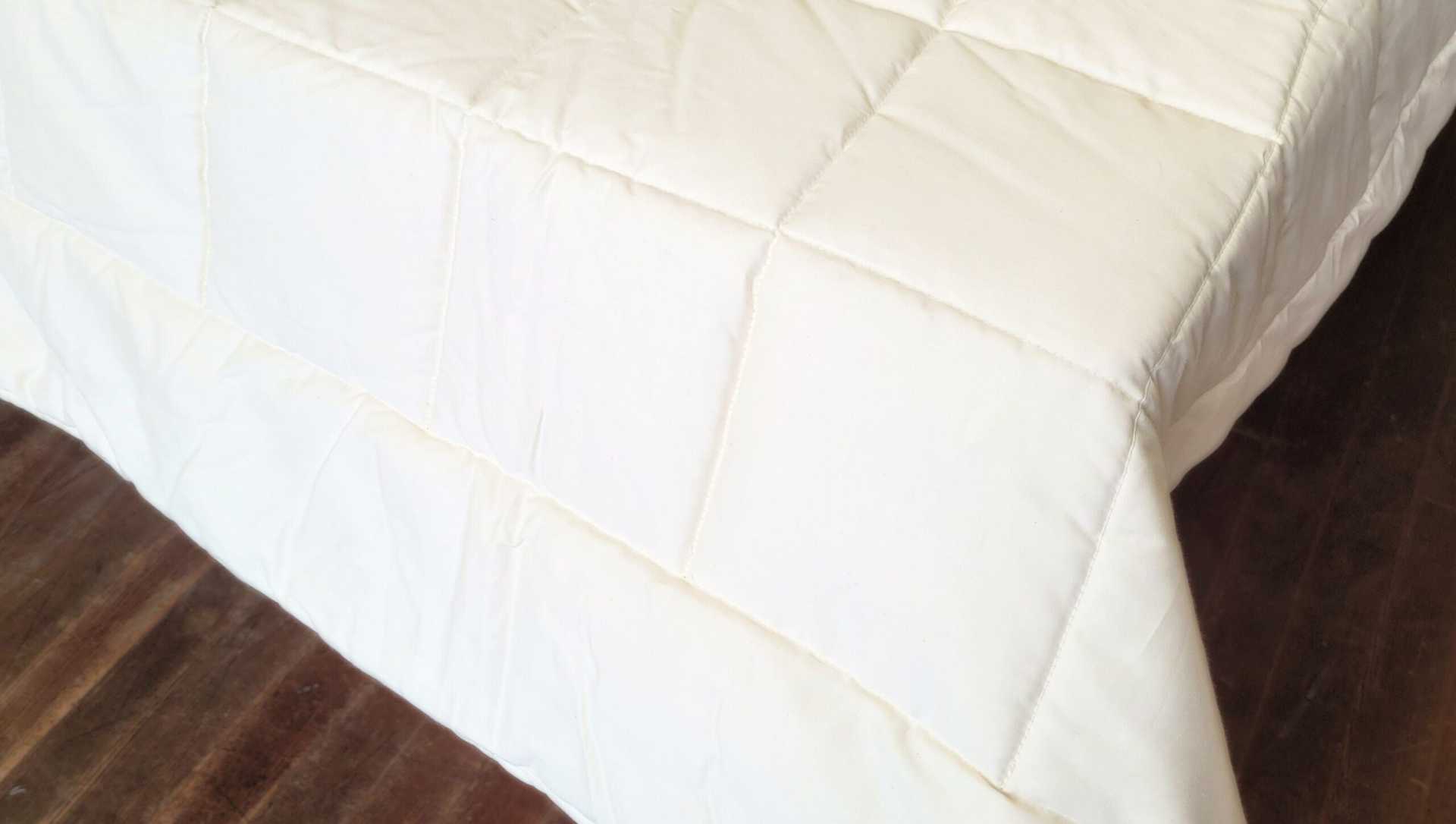
The Organic Quilted Cotton Comforter exemplifies a balanced combination of softness, warmth, and simplicity. Its quilted construction enhances loft stability, reducing fill shifting over time. A cotton exterior and interior layers offer gentle warmth without excessive weight, making it suitable for year-round use in temperate climates or layered bedding systems.
Key features to consider include fill weight, thread count, and quilting pattern. Lightweight fills support cool sleepers, while mid-weight fills provide reliable warmth for transitional seasons. Quilting patterns influence even distribution of the interior and contribute to the comforter’s structural integrity during regular laundering and use.
In addition to comforters, related bedding essentials such as bedding, pillows, sheets, organic mattresses, and organic crib mattresses emphasize an integrated approach to sleep surface quality. Choosing organic materials across these elements can reduce chemical exposure, improve humidity management, and maintain a cohesive, comfortable sleep environment.
 Bedding